Tampilkan postingan dengan label to. Tampilkan semua postingan

Navigating Healthcare For Seniors: How To Find The Right Resources And Support"

0 comments
Navigating Healthcare For Seniors: How To Find The Right Resources And Support"
LOADING GAMBAR..


As seniors navigate the complex world of healthcare, it can be challenging to find the right resources and support. With thousands of medical websites and resources available online, it can be difficult to know which sources are reliable and up-to-date. However, with the right tools and guidance, seniors can take steps to ensure they receive the care they need. This may include working with a trusted healthcare provider, staying up-to-date on recommended screenings and vaccinations, and utilizing community resources such as support groups or transportation services.

By taking an active role in their healthcare and leveraging the available resources, seniors can improve their health outcomes and maintain a high quality of life.

Understanding Seniors Healthcare Needs

As seniors age, their healthcare needs become increasingly complex and often require specialized attention. It is important to understand and address these needs in order to ensure that seniors receive the best possible care. One key factor to consider is the impact of social, psychological, economic, and behavioral factors on seniors' health . Additionally, seniors' bodies undergo changes that may require adjustments in their nutrition and hydration. It is also important to be aware of the various medical conditions that affect seniors and to understand the requirements and stKamurds of care for treating these conditions.

Finally, clear communication and understanding between seniors, their caregivers, and healthcare providers is crucial to ensure that seniors receive the care and support that they need. By taking these factors into account, we can better meet the healthcare needs of our senior population and improve their quality of life.

- Overview Of Common Health Issues Faced By Seniors

As people age, their bodies undergo various changes that can increase the risk of developing health issues. Seniors often face a variety of health challenges that can impact their daily lives and overall wellbeing. Some of the common health issues faced by seniors include chronic conditions such as arthritis, diabetes, heart disease, and respiratory illnesses. Mental health is also important in seniors, and conditions such as depression and anxiety can be particularly common. Falls and other accidents can also pose a significant risk for seniors, as they may be more vulnerable to injuries.

Overall, maintaining good physical and mental health is crucial for seniors to enjoy a high quality of life in their golden years.

G. Financial, Social

G. Financial and social considerations are important factors in many aspects of our lives, from individual decision-making to government policies. Financial considerations may include budgeting, investments, and financial protection from risks such as illness or unemployment. Social considerations may include issues such as inclusion, diversity, and equality. In some cases, financial and social factors may be closely linked, as is the case with social health insurance, which provides financial protection from illness while also promoting social cohesion by ensuring that everyone has access to healthcare .

Furthermore, sustainable development frameworks, such as the triple bottom line, seek to balance financial, environmental, and social outcomes to ensure that economic progress is achieved in a way that is equitable and sustainable for all.

- Importance Of Personalized Healthcare Plans For Seniors

Personalized healthcare plans are becoming increasingly important for seniors, as they offer a tailored approach to individualized medical care that takes into account a patient's unique health needs, preferences, and goals. With personalized healthcare plans, seniors can receive the specific care they need to prevent, manage, or treat their medical conditions, without unnecessary treatments or medications that may not be suitable for their particular situation. By working with healthcare providers to create a personalized plan, seniors can benefit from improved health outcomes, better quality of life, and reduced healthcare costs in the long run.

This approach is especially relevant for seniors who may have multiple chronic conditions and require ongoing medical care and monitoring to manage their health. With personalized healthcare plans, seniors can expect to receive appropriate, timely, and effective care that is tailored to their individual needs and preferences, helping them to maintain their health and independence as they age.

Available Resources And Support

When facing challenges or pursuing goals, it is important to know that support is available. There are many resources and support systems that can help individuals achieve success. These resources can take many forms, such as financial support, educational opportunities, or emotional assistance.For example, for those pursuing higher education, there are often scholarships and grants available to help with the financial burden. Additionally, colleges and universities have resources such as tutoring services and career centers to help students achieve their academic and professional goals.

But resources and support are not only limited to the academic sphere. Mental health resources are available through counseling centers and support groups, and community organizations often offer assistance with housing, food, and healthcare.In short, there are a wide array of resources and support available to those seeking to better their lives. Knowing where to find these resources and reaching out for help can make a significant difference in achieving success and overcoming challenges.

G. Medicare, Medicaid

Medicare and Medicaid are two government-funded programs designed to provide access to healthcare for certain groups. Medicare provides healthcare coverage for elderly and disabled individuals, while Medicaid provides coverage for low-income individuals and families. Both programs are administered by the Centers for Medicare and Medicaid Services (CMS), a federal agency within the Department of Health and Human Services (HHS).Medicare is funded primarily through payroll taxes , while Medicaid is funded jointly by the federal government and individual states.

Medicare provides coverage for hospital stays, some medical procedures, and prescription drugs, while Medicaid can cover a wider range of healthcare services, including long-term care, dental care, and mental health services.The eligibility requirements for Medicare and Medicaid differ, and some individuals may be eligible for both programs. For example, some low-income elderly individuals may qualify for both Medicare and Medicaid, known as "dual-eligibles." The programs have been subject to ongoing debates and reforms over the years, as policymakers seek to balance access to quality care with controlling costs and ensuring the long-term sustainability of the programs.

G. Senior Centers, Area Agencies On Aging

Senior Centers and Area Agencies on Aging (AAA) are important institutions that cater to the elderly population. Senior Centers provide a place for seniors to gather, socialize, and participate in various activities such as exercise classes, card games, and educational programs. AAA, on the other hand, are organizations that work to provide a range of services to seniors in the local community, including transportation, meal delivery, and health screenings. They also offer support and resources to caregivers of the elderly.

Both Senior Centers and AAA play a vital role in addressing the needs of the aging population and promoting healthy and active aging. They provide a sense of community and support while also helping seniors to maintain their independence and quality of life.

G. Telemedicine, Home Healthcare

Telemedicine and home healthcare have become increasingly important in recent years, and even more so during the COVID-19 pandemic. Healthcare facilities and national authorities should consider implementing telemedicine, which includes telephone, audio-video calls, and secure messaging, to provide remote care and consultations to patients. This allows for greater accessibility and convenience for patients, especially those in rural or remote areas. Home healthcare is also gaining popularity as a way to provide medical care to patients who are unable to leave their homes or who require long-term care.

With the help of technology, patients can now receive medical attention in the comfort of their own homes, which can improve their quality of life and reduce healthcare costs. The application of innovative technologies such as the Internet of Things (IoT) in smart homes can also support home healthcare by monitoring patients' health and collecting data to be used in their care. As the healthcare industry continues to evolve, telemedicine and home healthcare are likely to play an increasingly important role in the delivery of medical care.

Strategies For Navigating Healthcare

Navigating healthcare can be a complex and daunting task, but there are strategies that can help make the process easier. One important strategy is to educate oneself about healthcare options and resources, such as insurance coverage, local medical facilities, and available treatments. This can involve researching online, asking healthcare providers for recommendations, and seeking out community resources. Another important strategy is to advocate for oneself and communicate effectively with healthcare professionals.

This can involve asking questions, expressing concerns, and taking an active role in treatment decisions. Additionally, it can be helpful to prioritize preventive care, such as regular screenings and healthy lifestyle choices, to help avoid costly and potentially debilitating health issues down the line. By employing these strategies, individuals can make informed decisions about their healthcare and take control of their health and well-being.

G. Making A Personalized Healthcare Plan, Staying Informed, Communicating Effectively With Health Care Providers

Personalized healthcare plans can help individuals take charge of their health by tailoring healthcare services to their specific needs. In order to create an effective personalized healthcare plan, it's important to stay informed about one's own health status. This can be done through regularly monitoring vital signs, tracking medical records, and utilizing data technology. Effective communication with healthcare providers is also key to staying informed and creating a plan that works for the individual.

By sharing concerns, asking questions, and ensuring that all parties are on the same page, everyone can work together to create a personalized plan that addresses the individual's unique needs and goals. With the use of technology and effective communication, individuals can take control of their health and work towards achieving optimal wellness.

- Role Of Patient Advocacy And Support Groups To Help Seniors Navigate Healthcare

As seniors age, they often face complex healthcare issues that can be overwhelming to navigate. This is where patient advocacy and support groups can play a crucial role. These organizations provide seniors with the support and resources they need to make informed decisions about their healthcare and ensure that their voices are heard. This can include everything from helping seniors understand their diagnosis and treatment options to advocating for better access to quality care. Additionally, these groups provide a sense of community and help seniors feel less isolated during what can be a challenging time.

Overall, patient advocacy and support groups are a valuable resource for seniors as they navigate the often complex and confusing healthcare system.

Conclusion

As the senior population continues to grow, navigating the healthcare system can become increasingly challenging. Finding the right resources and support can make all the difference in ensuring that seniors receive the care they need. Whether it's finding the right doctors, understanding insurance options, or accessing community resources, there are resources available to help seniors and their families navigate the complex healthcare system. By being informed and taking advantage of available resources and support, seniors can feel confident about getting the care they need to stay healthy and independent.

- Summary Of Key Points

A summary of key points should highlight the main ideas and important details of a given topic. It is essential to focus on the most significant points that help to convey the message clearly and concisely. To write a successful summary, one must carefully read and review the content, identifying the most important ideas and facts. The summary should be written in one paragraph, using one sentence per supporting detail , and providing 1-2 sentences that wrap up the main ideas effectively. Overall, a well-written summary should provide a clear and concise overview of the main points, making it easy for readers to understand the content without having to read through the entire piece.

- Call To Action For Seniors And Their Caregivers To Take An Active Role In Navigating Healthcare

As healthcare continues to evolve, it's becoming increasingly important for seniors and their caregivers to take an active role in managing their health. This means staying up-to-date on the latest information, advocating for themselves and their loved ones, and being proactive about seeking out resources and support.One of the most important ways that seniors and their caregivers can take an active role in healthcare is by being informed and educated. This includes staying up-to-date on the latest medical research and understanding the various treatment options available for different conditions.

It also means taking the time to understand the specific needs and concerns of the patient and working with healthcare providers to develop an individualized care plan.Another important aspect of taking an active role in healthcare is advocating for the patient's rights and ensuring that they receive the highest quality care possible. This may involve speaking up when there are concerns about treatment or care, asking questions to clarify information, and seeking out second opinions or alternative options when necessary.

Finally, it's important for seniors and their caregivers to actively seek out resources and support to help them navigate the complex world of healthcare. This may include joining support groups, working with patient advocates, accessing community resources, and staying connected with healthcare providers and other caregivers.Overall, taking an active role in healthcare is essential for seniors and their caregivers to ensure that they receive the best possible care and support. By staying informed, advocating for their rights, and seeking out resources and support, seniors and their caregivers can play an important role in managing their health and improving their overall quality of life.


Navigating healthcare can be a daunting task, especially for seniors who may have complex healthcare needs. However, with the right resources and support, seniors can access the care they need to maintain their health and well-being. Start by researching reputable medical websites that provide accurate information about various health conditions and treatments. Consider reaching out to organizations like HelpGuide.org, a trusted nonprofit that provides evidence-based resources related to mental health and wellness.

Additionally, it's important to find a healthcare provider who understands your individual needs and can provide personalized care. Don't hesitate to ask for recommendations from friends or family members or to consult with an agency that can help you find the right healthcare provider. By taking these steps and finding the right resources and support, seniors can navigate healthcare with confidence and ensure they receive the care they need to stay healthy.


Navigating healthcare as a senior can be a daunting task, but there are many resources and support available to help you through the process. One important step is to find a trusted medical website or resource to educate yourself about your health. It is also crucial to have an established relationship with a healthcare provider who can guide you through preventive care and manage any chronic conditions. Additionally, seeking out support from family or community resources can help alleviate the emotional burden that often accompanies healthcare decisions.

With the right resources and support system, seniors can confidently navigate the healthcare system and prioritize their overall health and well-being.

Akhir Kata

Navigating healthcare can be a challenging experience, especially for seniors who may be facing health issues or navigating the healthcare system for the first time. However, there are many resources and sources of support available to help seniors access the care they need. It's important for seniors to know what resources are available to them and how to access them, so they can make informed decisions about their healthcare. Some resources and sources of support for seniors may include healthcare providers who specialize in geriatric care, community organizations that provide health-related services, and government programs that provide financial assistance for healthcare costs.

By understanding these resources and reaching out for support as needed, seniors can feel empowered to take control of their healthcare and improve their overall quality of life. At the end of the day, the key is to find the right resources and support that work for each individual senior.


Read More »

How To Maintain A Balanced Diet As You Age

0 comments
How To Maintain A Balanced Diet As You Age

Preview Of The Key Points To Be Discussed

In this discussion, we will be highlighting the key points that need to be addressed. Firstly, we will be previewing the main ideas that will be discussed. Secondly, we will be exploring the supporting ideas that bolster these main points. Lastly, we will be summarizing the key takeaways from this discussion. Through this process, we hope to provide a comprehensive understanding of the topic and its related issues.

Understanding The Nutritional Needs Of Older Adults

As the population ages, it is becoming increasingly important to understand the nutritional needs of older adults. Water, for example, comprises a decreasing percentage of body weight as people age, from 75% in infants to 55% in the elderly. Additionally, there are certain nutrients that older adults may need more of, such as calcium and vitamin D to promote bone health, and vitamin B12 to help maintain cognitive function. However, it is also important to note that older adults have individualized nutritional needs based on their health status, medications, and lifestyle factors.

By understanding these needs, we can better support the health and well-being of older adults.

Explanation Of The Changing Nutritional Needs Of Older Adults

As we age, our bodies undergo many changes that can affect our nutritional needs. For older adults, maintaining a healthy diet is critical for overall health, as it can help prevent chronic diseases and maintain a strong immune system.One of the biggest changes that occur with age is a decrease in metabolism. This means that older adults require fewer calories to maintain their weight, and may also result in a decrease in appetite. As a result, it is important for older adults to focus on nutrient-dense foods that provide a high level of nutrition for a smaller number of calories.

Older adults may also experience changes in nutrient absorption, which can affect their ability to absorb vitamins and minerals from food. In particular, older adults may have difficulty absorbing vitamin B12 and vitamin D, which are important for bone health and immune function.Other changes that can affect nutritional needs in older adults include changes in dental health, which can affect the ability to chew and swallow food, and changes in taste and smell, which can affect food preferences.To address these changing nutritional needs, older adults may benefit from working with a registered dietitian who can provide personalized recommendations for their dietary needs.

This may include recommendations for nutrient-dense foods, supplements for specific vitamins or minerals, and tips for cooking and preparing food that is easy to chew and swallow.Overall, understanding the changing nutritional needs of older adults is critical for maintaining good health in later life, and can help prevent or manage a variety of chronic diseases.

Discussion Of The Key Nutrients That Are Important For Older Adults

Older adults have different nutritional needs compared to younger people. As we age, our bodies become less efficient at absorbing certain vitamins and minerals, making it essential to pay attention to what we eat. Some key nutrients that are important for older adults include calcium and vitamin D for bone health, protein for maintaining and building muscle mass, and fiber for digestive health. Omega-3 fatty acids found in fish and certain nuts also play a role in brain health and reducing inflammation.

It's important for older adults to maintain a balanced diet that provides enough of these key nutrients to support their health and wellbeing.

Overview Of Specific Health Conditions That May Require Dietary Modifications

There are many specific health conditions that may require dietary modifications. Obesity can cause a range of health problems throughout the body, including heart disease, hypertension, and type 2 diabetes . In order to lose weight and manage these conditions, dietary changes may be necessary. Other health conditions that may require dietary modifications include substance use disorders, where certain medications are used to treat alcohol and opioid use . Access to improved sources of water can also result in better health , particularly for children who are at risk for water-related diseases.

Maintaining a correct nutrition status is crucial for keeping the immune system strong and fighting off health threats . Overall, making small healthy changes to eating and exercise habits can help manage and prevent a range of health conditions.

Tips For Maintaining A Balanced Diet

Maintaining a balanced diet is essential for good health and well-being. Here are some tips to help you maintain a healthy and balanced diet. First, include a variety of foods from all the different food groups. This includes fruits, vegetables, whole grains, lean proteins, and healthy fats. Second, limit your intake of processed and sugary foods as much as possible. These foods can be high in calories and low in nutrients, making it difficult to maintain a healthy weight. Finally, pay attention to portion sizes and make sure you are eating enough but not too much.

By following these tips and making healthy food choices, you can help support your overall health and well-being.

Strategies For Reducing Calorie Intake

Reducing calorie intake is an effective strategy for managing body weight and promoting overall health. There are several ways to reduce calorie intake, including adjusting portion sizes, choosing lower calorie foods, and increasing physical activity levels. One important strategy is to focus on reducing the intake of foods that are high in added fats , sugars, and salt. This can be done by choosing whole, unprocessed foods such as fruits, vegetables, lean proteins, and whole grains. Another key strategy is to be mindful of snacking habits, as excessive snacking can contribute significantly to total calorie intake.

To further reduce calorie intake, consider consuming high-calorie foods earlier in the day when the body is better able to metabolize them. By implementing these strategies and making gradual adjustments to dietary habits, it is possible to successfully reduce calorie intake and achieve long-term health benefits.

Avoiding Foods High In Sugar, Salt, And Fat

A healthy diet is essential for maintaining good health and avoiding various health complications. One important aspect of a healthy diet is avoiding foods that are high in sugar, salt, and fat. These types of foods, especially if consumed in excess, can increase the risk of obesity, heart disease, and other chronic health conditions. Processed foods such as canned fruits and vegetables, certain cheeses, and refined grains often contain added sugars, fats, and salt, which make them less healthy.

Additionally, sugary drinks are a common source of added sugars and should be consumed in moderation. Instead, focus on eating whole foods such as fruits, vegetables, lean proteins, and whole grains, which are naturally low in sugar, salt, and fat and provide essential nutrients that are important for maintaining good health. By making simple changes and choices in our diet, we can take steps to maintain good health and reduce the risk of chronic health issues.

Eating More Fruits And Vegetables

Eating more fruits and vegetables is a simple and effective way to improve your overall health. Fruits and vegetables are packed with essential vitamins and minerals that your body needs to function at its best. Furthermore, they are low in calories and high in fiber, making them an excellent choice for people who want to maintain a healthy weight. By incorporating more fruits and vegetables into your diet, you can reduce your risk of chronic diseases such as heart disease, stroke, and certain types of cancer.

Whether you prefer to eat them raw, cooked, or blended into smoothies, there are countless delicious ways to add more fruits and vegetables to your meals. So, start today and make a conscious effort to increase your daily intake of these nutrient-rich foods.

Choosing Lean Protein Sources

Choosing lean protein sources is important for maintaining a healthy and balanced diet. Lean protein sources generally have a lower fat content, which makes them a good option for weight management. Examples of lean protein sources include poultry, fish, beans, lentils, and tofu. These options are rich in essential nutrients and can be easily incorporated into a variety of meals. It is important to note that while protein is an essential part of a healthy diet, it should be consumed in moderation.

By selecting lean protein sources, you can ensure that you are getting the protein you need without the excess calories and fat found in other, less healthy protein sources.

Strategies For Meeting Nutrient Needs

Meeting nutrient needs is essential for maintaining good health and preventing various chronic diseases. To ensure that your body gets all the necessary nutrients, it is important to follow a balanced and nutrient-dense diet. Here are some strategies that can help you meet your nutrient needs:1. Include a variety of nutrient-dense foods in your diet, such as fruits, vegetables, whole grains, lean protein sources, and healthy fats.2. Plan your meals in advance to ensure that you are getting all the necessary nutrients.

You can use resources like the MyPlate tool or consult a registered dietitian for personalized recommendations.3. Limit highly processed and nutrient-poor foods like sugary drinks, refined grains, and fried foods that provide empty calories and little nutritional value.4. Snack on nutrient-dense foods like nuts, seeds, and fruit to help you meet your nutrient needs throughout the day.5. Stay hydrated by drinking plenty of water and limiting sugary drinks, which can provide extra calories without providing essential nutrients.

By following these strategies, you can ensure that your body is getting all the important vitamins, minerals, and other nutrients it needs to function optimally and maintain good health.

Eating A Variety Of Foods


Incorporating Whole Grains Into Your Diet


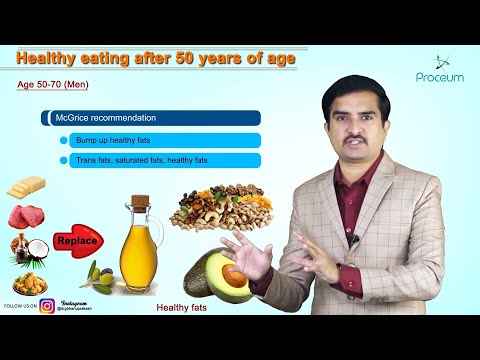
Choosing Healthy Fats


Importance Of Hydration


Akhir Kata


Read More »

Top 10 Health Concerns For Seniors And How To Prevent Them

0 comments
Top 10 Health Concerns For Seniors And How To Prevent Them

Overview Of The Top 10 Health Concerns For Seniors

As we age, our health becomes increasingly important, and there are certain health concerns that become more prevalent as we get older. Here is an overview of the top 10 health concerns for seniors:1. Cardiovascular disease: As we age, the risk of heart disease and stroke increases due to factors such as high blood pressure, high cholesterol, and diabetes.2. Arthritis: Arthritis is a common condition in seniors that affects the joints, causing pain, swelling, and stiffness.3. Osteoporosis: This condition causes the bones to become weak and brittle, leading to an increased risk of fractures and falls.

4. Alzheimer's disease: Alzheimer's is a progressive disease that affects memory, thinking, and behavior, and is a leading cause of dementia in seniors.5. Depression: Depression is a common mental health condition in seniors, often brought on by factors such as loneliness, loss of independence, and physical decline.6. Cancer: The risk of developing cancer increases as we age, with common types being breast, prostate, lung, and colon cancer.7. Respiratory diseases: Chronic obstructive pulmonary disease (COPD), asthma, and pneumonia are common respiratory illnesses among seniors.

8. Diabetes: Diabetes is a chronic condition that affects the body's ability to regulate blood sugar levels, and can lead to complications such as heart disease and nerve damage.9. Hearing loss: As we age, hearing loss is common due to damage to the inner ear from long-term exposure to noise.10. Vision loss: Age-related macular degeneration, cataracts, and glaucoma are common eye conditions that can cause vision loss in seniors.It is important for seniors to prioritize their health and stay vigilant about monitoring for these and other potential health concerns.

Maintaining a healthy diet, exercise routine, and regular check-ups with a healthcare provider can help seniors stay healthy and active as they age.

Top 10 Health Concerns For Seniors And How To Prevent Them

As people age, they become more susceptible to certain health issues. Here are the top 10 health concerns for seniors, along with some tips on how to prevent them:1. Oral health problems: Common oral health issues seniors face include dry mouth, gum disease, and tooth decay. To prevent these, seniors should make sure to brush and floss regularly, stay hydrated, and visit the dentist often.2. Safety concerns: Seniors are at a higher risk of falls and other accidents, which can lead to serious injuries.

To reduce the risk of falls, seniors should make sure their homes are free of hazards, wear sturdy shoes, and practice balance exercises.3. Dehydration: Seniors may not feel as thirsty as they used to, but it's important to stay hydrated. Sipping water or other fluids throughout the day can help prevent dehydration.4. Keeping up to date with health information: Seniors should make sure to keep up with their health information, such as getting regular checkups and vaccinations. This helps to catch any potential health concerns early on.

5. Not getting enough exercise: Staying active can help seniors maintain their independence and overall health. Seniors should aim to get at least 30 minutes of exercise most days of the week, such as walking, swimming, or doing gentle yoga.6. Poor nutrition: Seniors may experience changes in appetite, taste, or digestion that can lead to poor nutrition. Eating a balanced diet with plenty of fruits, vegetables, whole grains, and lean protein can help prevent this.7. Drinking too much alcohol: Seniors are more susceptible to the negative effects of alcohol, such as falling and cognitive impairment.

Seniors should talk to their doctor before drinking alcohol and limit their intake if advised.8. Lack of social interaction: Social isolation can have a negative impact on mental and physical health. Seniors should stay connected with family and friends, participate in social activities, and consider joining a senior/community center.9. Medication management: Seniors are more likely to have multiple prescriptions and may have trouble managing their medication. Use of a pill organizer or automated pill dispenser can help in managing them.

10. Mental health concerns: Depression and anxiety can be common among seniors, especially those experiencing major life changes such as retirement or the loss of a loved one. Seniors should talk to their doctor if they are experiencing symptoms and consider seeking counseling or therapy.By taking steps to prevent these top 10 health concerns, seniors can maintain their health and independence as they age.

Cardiovascular Disease

One of the most significant health concerns for seniors is cardiovascular disease. This condition affects the heart and blood vessels and can lead to serious health problems such as heart attacks and strokes. Older adults are at an increased risk of developing cardiovascular disease due to factors such as age, genetics, and lifestyle choices. However, there are steps that seniors can take to reduce their risk of developing this condition. This includes maintaining a healthy diet, getting regular exercise, quitting smoking, managing stress levels, and monitoring blood pressure and cholesterol levels.

By taking these steps and working closely with their healthcare providers, seniors can help prevent cardiovascular disease and improve their overall health and well-being. It is essential for seniors and their caregivers to be aware of the signs and symptoms of cardiovascular disease, as early detection and intervention can help improve outcomes and prevent further complications. By making cardiovascular health a priority, seniors can enjoy a healthier and happier life.

Description Of The Condition

The description of a condition is a crucial aspect of understanding and addressing it. When describing a condition, it is important to provide a clear and accurate picture of the symptoms, causes, and effects. This can help medical professionals and researchers to diagnose and treat the condition, and can also provide valuable information to individuals who are living with it.One key aspect of describing a condition is providing a comprehensive list of the symptoms that accompany it. This can include physical symptoms such as pain, discomfort, or weakness, as well as emotional symptoms such as anxiety, depression, or irritability.

Additionally, it is important to describe any changes in behavior or cognitive function that may be associated with the condition.In order to properly describe a condition, it is also important to understand its causes and contributing factors. This can include genetic predisposition, environmental factors, or lifestyle choices. By identifying the underlying causes of a condition, medical professionals can develop more effective treatments and individuals can make informed decisions about their health.

Finally, it is important to discuss the impact of the condition on an individual's overall health and well-being. This can include physical limitations, emotional distress, and social isolation. By describing the full scope of the condition, medical professionals and individuals can work together to develop strategies for managing and mitigating its effects.Overall, a thorough and accurate description of a condition is an essential component of effective diagnosis, treatment, and management. By providing a detailed and comprehensive picture of the condition, individuals and medical professionals can work together to improve outcomes and enhance quality of life.

Steps To Prevent The Disease

Preventing diseases is an essential step towards maintaining good health. While the specific measures to be taken may vary depending on the disease in question, there are some steps that can be taken to prevent disease in general. First, maintaining good personal hygiene is crucial. Washing hands frequently, especially before meals and after using the restroom, helps prevent the spread of germs. Second, getting vaccinated against infectious diseases like flu, hepatitis, and measles can also help prevent disease.

Third, eating a healthy diet and getting regular exercise can strengthen the body's immune system and help prevent chronic diseases like heart disease and diabetes. Finally, avoiding exposure to harmful substances like tobacco smoke and asbestos is also important for preventing disease. By taking these steps, we can reduce the risk of developing diseases and live healthier, happier lives.

Ways To Manage The Disease If It Occurs

If you are dealing with a disease, there are various ways in which you can manage it to minimize its impact on your life. The first step is to have a proper diagnosis and understanding of the disease. Once you know what you are dealing with, it is important to create a plan of action with your healthcare provider. This plan may involve medication, lifestyle changes, or other treatments.One key approach to managing a disease is to focus on preventative measures. This involves taking steps to reduce your risk of experiencing symptoms or complications associated with the disease.

For example, if you have high blood pressure, you can manage it by following a healthy diet, being physically active, and avoiding smoking and excessive alcohol use.Another important aspect of disease management is self-care. This involves taking care of yourself physically, emotionally, and mentally. You can practice self-care by getting enough rest, maintaining a healthy diet, managing stress, and staying engaged in activities that you enjoy.Finally, it is important to stay engaged with your doctors and healthcare providers.

This includes scheduling regular check-ups, following through with recommended treatments, and being proactive about any changes in your health. By taking an active role in your care, you can better manage the disease and live a healthier, more fulfilling life.

Dementia

Dementia is a growing concern among seniors, and it is one of the top 10 health concerns for this population. As people age, their risk of developing dementia increases, making it crucial to take preventative measures. Fortunately, there are several steps that seniors can take to reduce their risk of developing this condition. One important step is to maintain a healthy lifestyle that includes regular exercise and a balanced diet. Engaging in mental activities such as reading or doing puzzles can also help to keep the brain sharp.

Additionally, it is important to manage other health conditions, such as high blood pressure and diabetes, as these conditions can increase the risk of developing dementia. For those who are already experiencing symptoms of dementia, early detection and treatment are key to managing the condition and improving quality of life. Overall, seniors can take various steps to prevent and manage dementia, and these efforts can go a long way in promoting healthy aging.

Description Of The Condition

Description of the condition is a type of writing that involves providing details and characteristics about a particular state or situation. This can be achieved by using descriptive words that create a picture in the reader's mind about what the condition looks like or feels like. In a medical context, description of the condition can include information such as symptoms, causes, assessment and diagnosis, treatment, and prognosis. In other contexts, such as business or education, description of the condition might focus on the current state of affairs, challenges, or opportunities.

Regardless of the nature of the condition being described, it is important to use clear and concise language that accurately conveys the relevant details to the reader. By providing a comprehensive and accurate description of the condition, it becomes easier to understand and address the issues that need to be resolved.

Steps To Prevent The Disease

Preventing the spread of diseases is crucial to maintaining good health and preventing outbreaks. There are several steps individuals can take to protect themselves and those around them. One of the most important steps is practicing good hygiene, such as washing your hands frequently and covering your mouth and nose when you cough or sneeze. Maintaining a healthy diet and lifestyle can also help boost your immune system and prevent the onset of diseases. Additionally, staying up to date with vaccinations and seeking medical attention when necessary can be crucial in preventing the spread of infectious diseases.

By taking these steps, we can all do our part in preventing the spread of diseases and protecting our health and the health of those around us.

Ways To Manage The Disease If It Occurs

If a disease occurs, there are various ways to manage it. The first step is to seek medical attention and follow the treatment plan prescribed by a healthcare professional. This may include medication, lifestyle changes, or other therapies to help manage the symptoms and prevent the disease from worsening. In addition, it's important to practice good self-care habits, such as getting enough sleep, eating a healthy diet, and exercising regularly. Monitoring any changes in symptoms and communicating with the healthcare provider is crucial in managing the disease effectively.

For some diseases, joining support groups or attending counseling sessions can also provide emotional support and education on managing the disease. Finally, it's essential to stay informed about the disease and its management options to make informed decisions about one's health. By taking these steps, individuals can play an active role in managing the disease and maintaining their overall well-being.

Akhir Kata

As we age, it's important to be aware of the potential health concerns that seniors may face. Here are the top 10 health concerns for seniors and some strategies to prevent them.1. Falls - Regular exercise and making modifications to the home environment can help prevent falls, which can lead to serious injuries in seniors.2. Chronic diseases - Managing chronic conditions such as heart disease, diabetes, and arthritis through medication and lifestyle changes can prevent them from worsening.3. Cognitive decline - Staying mentally active through activities such as reading and puzzles can help prevent cognitive decline.

4. Malnutrition - Eating a well-balanced diet with enough fresh fruits and vegetables can help prevent malnutrition, which can lead to a weakened immune system and increased risk of other health concerns.5. Dehydration - Drinking enough water throughout the day can prevent dehydration, which can lead to dizziness, confusion, and other complications.6. Medication errors - Keeping track of medication schedules and having a comprehensive medication list can help prevent medication errors.7. Vision and hearing loss - Regular eye and ear exams can catch potential issues early and help prevent further damage.

8. Social isolation - Maintaining social connections through activities such as volunteering or joining a community group can promote overall health and well-being.9. Incontinence - Regular pelvic floor exercises and bladder training can help prevent or manage incontinence.10. Skin injuries - Protecting the skin from sun damage and preventing pressure injuries can promote overall skin health and prevent further complications.By staying aware of these potential health concerns and taking steps to prevent them, seniors can maintain their health and independence for as long as possible.


Read More »